


For years, Medicare Advantage (MA) providers have marketed their plans with celebrity endorsements, promises of extra dental, vision, and hearing benefits, and the appeal of low or zero monthly premiums. But for millions of older adults, that illusory promise of stable coverage is colliding with a harsh reality.
Unsatisfied with profits, insurance giants like Humana, United HealthCare and Aetna are pulling out of some markets entirely, leaving Medicare Advantage patients stranded. People enrolled in these plans will be forced to look elsewhere for their coverage in 2027.
We have often criticized Medicare Advantage insurers for putting profits ahead of patients. Humana’s CFO just confirmed it:::
“Increasingly, we’re very much focused on the capital returns of the plan.” -Celeste Mellet, CFO, Humana
This will be the second year in a row that Humana has downsized its MA offerings. Going into 2026, the company scrapped plans in three states and 194 counties, affecting roughly 500,000 seniors. Now, Humana has announced additional “targeted plan exits” expected to affect approximately 600,000 enrollees in 2027, as it seeks to prioritize “higher-performing plans” and improve its profit margins.
The pattern should be familiar to observers of venture capital and startups. Companies use attractive introductory offerings, splashy advertising, and consumer-friendly promises to build market share. Once this is established (and competition has been neutralized), plans can be scaled back, repriced, or eliminated — and consumers (or in this case, patients) are left to deal with the fallout.

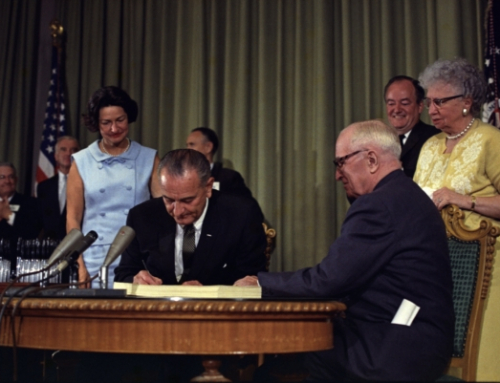
Joe Namath is one of the celebrity spokespeople who hawked Medicare Advantage plans
For Medicare Advantage patients managing cancer, diabetes, heart disease, disability, or multiple chronic conditions, this can disrupt long-standing relationships with doctors and specialists – and create real uncertainty about whether necessary care will remain available and affordable.
Humana is not alone in this trend. A recent Johns Hopkins analysis found that approximately one in 10 people enrolled in Medicare Advantage HMO and PPO plans — about 2.9 million beneficiaries — were forced to disenroll from their current plan for 2026 because the insurer exited the market. That is a dramatic increase from the roughly 1 percent annual forced-disenrollment rate reported between 2018 and 2024.
The disruption can be especially severe in rural communities. In these places, MA enrollment is highly concentrated among a small number of insurers. One dominant company abandoning the market can leave beneficiaries in rural areas with scant alternatives. A plan may still be available, but it may not include the same doctors, hospitals, prescription drugs, supplemental benefits, or out-of-pocket costs.
Trump’s Medicaid Work Requirements Will Deprive Millions of Health Coverage
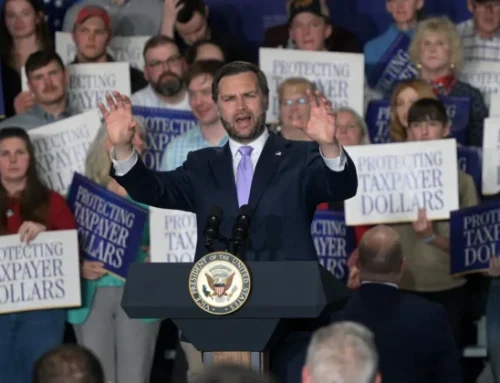
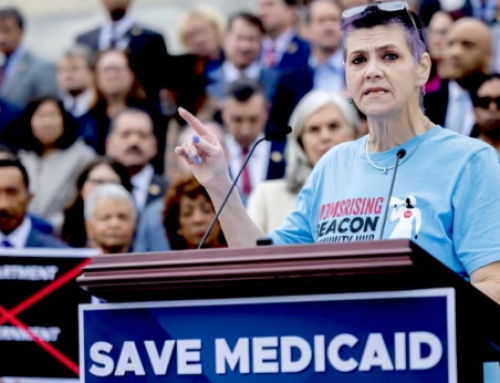
While the private sector shortchanges Medicare patients, the Trump administration and congressional Republicans are wreaking havoc on Medicaid. Trump’s Big, Ugly Bill imposed new work requirements that are already stripping people of health coverage, even though the law’s main provisions don’t take effect until 2027 (conveniently, after the mid-terms).
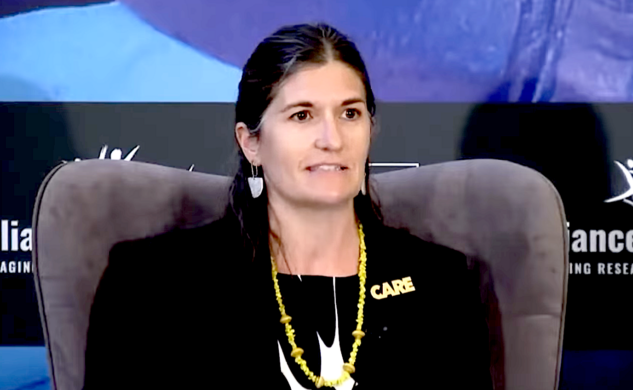
Justice in Aging’s Natalie Kean says Medicaid work requirements do not encourage work
Under new federal rules, certain Medicaid patients will generally need to demonstrate 80 hours per month of qualifying activities* to maintain eligibility. Trump and the GOP framed these requirements as a way to encourage work or curb ‘waste.’ In truth, they create mountains of red tape — and will not ‘encourage work.’ Just look at past experiments with work requirements, which had no impact on workforce participation, but did cause vulnerable people to lose health coverage.
NEWS FLASH: More than two thirds of adults on Medicaid already work, and the remainder are not working due to legitimate barriers such as caregiving, illness, disability, or attending school.
“The new requirements are not going to increase work and they’re going to make people less healthy,” said Natalie Kean of Justice in Aging on a recent episode of our podcast.
“People are going to be in this situation where they’re trying to work, but don’t have healthcare. And then their health is going to get worse, which is going to make it harder for them to work. It’s really a paradox.” – Natalie Kean, Justice in Aging
The stakes are especially high in communities where Medicaid is a central source of care. New York State health officials estimate that at least 475,000 residents could lose Medicaid coverage because of the new work requirements. In New York City, communities in the South Bronx, East Harlem, Brownsville, and parts of Queens may be particularly at risk because so many residents depend on Medicaid for primary care, prescriptions, and home health services.
The Big, Ugly Bill cut nearly $1 trillion from Medicaid. It’s expected to result in up to 10 million people losing their coverage. And for what? So that Trump and his party can shower the wealthy with tax breaks they didn’t need. Most developed nations have some form of universal medical coverage, based on the belief that health care is a human right. The United States is not one of them. In fact, under the current regime, one of the wealthiest nations on Earth is stripping its people of health care to further enrich the already wealthy and big insurance companies who prioritize profits over patients.
——————————————————————————————————————-
*Enrollees are now subject to work and “community-engagement” requirements that could make people repeatedly document work, school attendance, job training, volunteer activity, income, health conditions, or other exemptions in order to keep their coverage.
Listen to our podcast, “Trump’s Big, Ugly Bill: One Year Later” with Natalie Kean of Justice in Aging here.