



As the longest government shutdown in U.S. history finally ends, many of our readers are asking: what does this deal mean for older adults? We supported Democratic efforts to extend Affordable Care Act (ACA) premium subsidies. Without Congressional action to extend these subsidies, millions of “near seniors”— aged 54 to 65— are poised to face dramatically higher health insurance premiums in 2026.
In a statement issued when the Senate deal to end the shutdown was announced, our president and CEO, Max Richtman, warned: “Without those subsidies, ACA premiums could more than double in 2026, forcing people to endure unnecessary financial pain — or lose health coverage altogether.”
Older Americans, who already face higher premiums than younger adults, will have to navigate an even tougher road if these subsidies go by the wayside. “Their lives will be harder, and probably shorter,” says Richtman. “In addition, when those near seniors become eligible for Medicare at age 65, they will be sicker than if they had been able to keep their ACA policies, putting more of a strain on the Medicare program itself.”
As part of the deal to end the shutdown, Senate Democrats have been given a promise that the chamber will vote on a bill to extend the subsidies by the end of the second week of December. Of course, it remains to be seen whether Republicans hold up their end of the bargain. The GOP currently holds a 53-47 majority in the Senate, meaning any successful vote would require at least four GOP defections. Moderates Lisa Murkowski (R-AK), Susan Collins (R-ME), and Thom Tillis (R-NC) along with rural-state populists Josh Hawley (R-MO) and Jerry Moran (R-KS) may be potential ‘yes’ votes to extend the ACA subsidies if it comes to the floor.
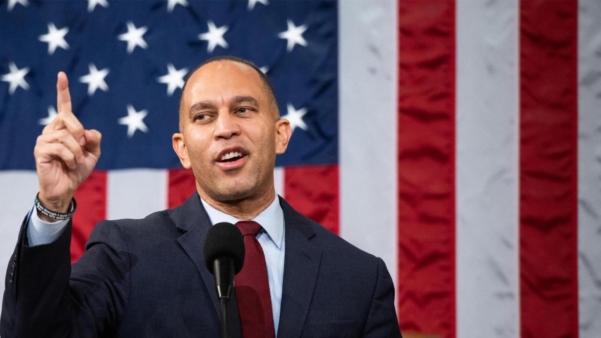
Leader Jeffries & Congressional Democrats have not given up on extending ACA subsidies
There is a bit of good news in the shutdown deal for seniors on Medicare. It includes a much-needed extension of Medicare telehealth flexibilities through January 30, 2026, retroactively covering virtual visits from the shutdown period. This will provide critical relief for patients aged 65 and older, who have increasingly relied on telehealth to access care instead of burdensome, in-person doctor visits. Permanent telehealth provisions, such as those for mental health services, are also in effect — and are not impacted by this extension, notes HHS.
The deal also continues extra Medicare payments for hospitals with low patient volumes and disproportionate numbers of senior patients, and will also delay scheduled Medicare payment cuts, including for laboratory tests.
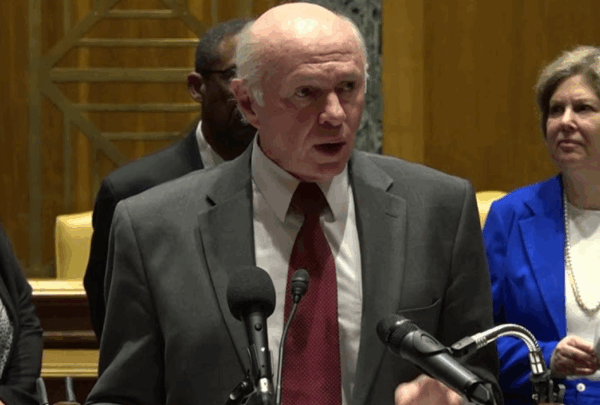
Older Americans’ lives “will be harder, and probably shorter” without ACA subsidies, says NCPSSM president Max Richtman
Unfortunately, the Medicare telehealth coverage extension is only temporary. And, of course, those crucial ACA subsidies remain in limbo for now.
“We must keep fighting to preserve those crucial ACA subsidies so that millions of the most vulnerable Americans don’t lose health coverage.” -Max Richtman, President and CEO, NCPSSM
These next few weeks present a crucial window for the health care status of ‘near seniors.’ It will be especially important for older Americans in red states and districts to make their voices heard, and let their representatives know just how important these premium subsidies are. The shutdown may be ending, but the fight for affordable health care for all Americans continues.
*******************************************************************************************************
Read about relevant policy updates from HHS here
Listen to our podcast here
Find information to contact your representative in congress here