



In this week’s episode of our You Earned This podcast, Dr. Heather Snyder of the Alzheimer’s Association tells us some common misconceptions about Alzheimer’s disease while also sharing exciting developments in research, treatment, and prevention. These advances should be welcome news to America’s seniors, demonstrating important steps forward in the ongoing fight against Alzheimer’s.
Evaluating Data Beyond Anecdotes
Alzheimer’s affects more than 7 million Americans, with nearly 12 million caregivers supporting loved ones who live with the disease. Many people understand Alzheimer’s through the lens of personal experience — family or friends who gradually lost memory and independence. Dr. Snyder emphasized that while those experiences are painful and real, the latest research offers some hope.
“People often think there’s nothing you can do about it… but what we’re learning is that’s changing.” – Dr. Heather Snyder, Alzheimer’s Association
Scientists are identifying tools to diagnose the disease earlier, understand who’s most at risk, and slow cognitive decline with targeted interventions.
Alzheimer’s vs. Dementia
Dr. Snyder says that many people use “Alzheimer’s” and “dementia” interchangeably, but they’re not the same. “Dementia is an umbrella term describing symptoms like memory loss, language problems, and confusion severe enough to affect daily life. Alzheimer’s disease is one of several causes of dementia, along with Lewy body disease, vascular dementia, and others.”
Risk Factors and Genetics
Dr. Snyder noted that age is the strongest risk factor, but says that “aging itself is not the cause.” Other influences include cardiovascular health, metabolic issues, sleep quality, and head injury. Genetics also plays a role, especially a gene known as APOE4, which can increase a person’s risk of developing Alzheimer’s but doesn’t determine it. As Dr. Snyder explained, many people with two APOE4 copies (one from each parent) maintain healthy cognition “into their late nineties,” showing that lifestyle and overall health can affect whether the gene is activated.
“One in nine individuals over the age of 65 has Alzheimer’s or another form of Dementia.” – Dr. Heather Snyder
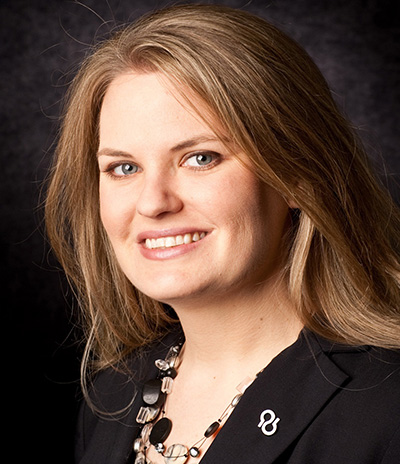
Dr. Heather Snyder of the Alzheimer’s Association
Dr. Snyder and her colleagues at the Alzheimer’s Association are at the forefront of cutting-edge research exploring how diet, exercise, and other lifestyle modifications may play a vital role in reducing cognitive decline. In a study known as the U.S. POINTER trial, researchers tracked more than 2,000 adults at risk of cognitive decline. Data from a study group that underwent a structured program of modifications —which combined exercise, a nutritious diet, and heart monitoring—showed promise for preserving brain health.
Participants maintained brain function equivalent to being “one to two years younger,” says Dr. Snyder, according to study results published in the Journal for American Medical Association (JAMA). POINTER is the first large-scale U.S. study proving that structured lifestyle changes might actively protect brain health and slow age-related decline.
Meanwhile, NPR reports that playing brain games may improve cognitive function. According to a new study, doing “rigorous mental exercises” for 30 minutes a day increases levels of the chemical messenger acetylcholine in a brain area involved in attention and memory. “The study comes amid a proliferation of online brain-training programs, including Lumosity, Elevate, Peak, CogniFit and BrainHQ,” says NPR.
New Blood Test Offers Earlier Detection
Dr. Snyder is hopeful about recent developments in blood testing to detect Alzheimer’s. Earlier this spring, the FDA cleared the first blood test designed to aid in diagnosis. The blood test offers a less invasive, more widely available method to support accurate and earlier diagnosis, which is crucial for timely intervention and better management of the disease.
“It is a very exciting time as we’re seeing all of this work in the research space translate into the clinical setting. And we’ll see this go even further as we move to primary care and other types of care settings as well for individuals.” – Dr. Heather Snyder
The First Disease-Modifying Treatments
Two medications—Leqembi (lecanemab) and Kisunla (donanemab)—have ushered in the first wave of disease-modifying Alzheimer’s treatments. Both drugs target beta-amyloids, helping clear harmful protein buildup from the brain and slow cognitive decline in early-stage patients.
Medicare covers these drugs under Part B (reimbursing about 80% of their cost once patients meet their deductible) — with the requirement that recipients participate in a data registry tracking real-world effectiveness. In August 2025, the FDA approved a subcutaneous, at-home version of Leqembi, reducing the need for frequent infusions. Kisunla’s monthly infusion model is also designed for shorter treatment duration. Both remain under long-term study to determine sustained benefits.
“Every new study is building on the last. We’re learning from every trial, and each one brings us closer to changing the trajectory of the disease.” – Dr. Heather Snyder
While there’s still no cure for Alzheimer’s, the combined progress in detection, prevention, and treatment points the way toward a potentially brighter future.
**********************************************************
To listen to the full podcast with Dr. Heather Snyder, listen here
Read the Alzheimer’s Association’s FY2024 Annual Report here
For reliable information, resources, and community support, the Alzheimer’s Association offers a 24-hour helpline.